
The Bhartiya Nyaya Sanhita Bill, 2023

Bhartiya Nyaya Sanhita Bill 2023

Why in News?

Recently a parliamentary committee has reviewed the Bhartiya Nyaya Sanhita (BNS) 2023 bill, proposing significant changes to India's criminal justice system.

Union Home minister and minister of cooperation, Shri Amit shah, has introduced three new bills in the lok sabha that propose a comprehensive revamp of the country's criminal justice system.

These three bills are intended to replace the existing laws: the Indian penal code (IPC), the Code of Criminal Procedure (CRPC 1973) and the Indian Evidence Act, 1872. 

• The IPC will be replaced by the Bhartiya Nyaya Sanhita Bill, 2023.

•The CRPC will be replaced by the Bhartiya Nagrik suraksha sanhita bill, 2023.

•The Indian Evidence Act will be replaced by the Bhartiya sakshya Bill, 2023.

The Indian penal code (IPC) is a comprehensive code that defines criminal offences in India. It was enacted in 1860 by the British colonial government and is still in force today. The IPC is a very important piece of legislation in India. It is the basis for the criminal justice system in the country. 

The Bharatiya Nyaya Sanhita Bill aims to bring about several changes in substantive criminal law. The Bill addresses offences of the following categories:

• Against the human body such as assault and murder

Against property such as extortion and theft

• Against public order such as unlawful assembly and rioting

• Against public health, safety, decency, morality, and religion; defamation, and

• Against the State.

The Bill has incorporated changes brought about in criminal law by judicial decisions, such as the omission of adultery and consensual same-sex intercourse. Aspects such as organized crime and terrorism have been added to the Bill as well. Most of the substantive parts of IPC, including the language and definitions of most offences (such as culpable homicide and murder) have been retained, whereas some changes in conceptual aspects have also been included, such as increased punishment for some offences, and a shift in penology by way of including community service as a punishment, etc.

Key highlights of the Bhartiya Nyaya Sanhita Bill 2023

Sedition:

The current IPC section 124-A deals with sedition and prescribes penalties ranging from life imprisonment to up to three years, along with a possible fine. In the Bharatiya Nyaya Sanhita Bill, section 150 under the ‘ Offences against the State’ chapter addresses acts that endanger India’s sovereignty, unity, and integrity. 

Terrorism:

The Bharatiya Nyaya Sanhita Bill introduces a clear definition of terrorism, which was absent in the IPC. 

A terrorist is defined as someone who commits acts in India or abroad with the intent to threaten India’s unity, integrity, and security, intimidate the public, or disrupt public order.

Defamation:

In the Bharatiya Nyaya Sanhita Bill, defamation can lead to imprisonment for up to two years, a fine, community service, or a combination of these.

Marital Rape:
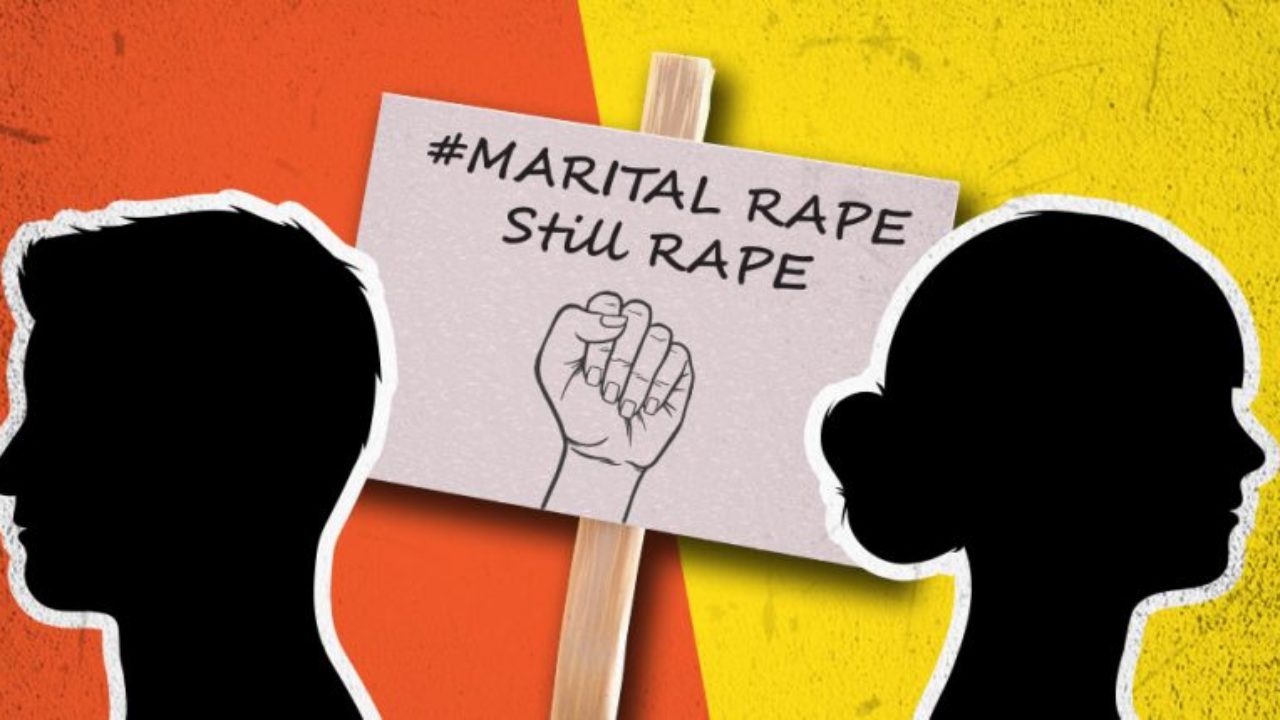

The provision legalizing marital rape remains in the new Bill.

Sexual Exploitation:

The new Bill considers the sexual exploitation of women on the pretext of marriage, job, promotions, or false identity as a crime.

Speedy Legal Procedure:

The proposed Bill mandates filing a charge sheet within 90 days, with an additional 90-day extension upon court permission.

The investigation must conclude in 180 days, followed by trial and judgment within 30 days.

In summary, the Bharatiya Nyaya Sanhita Bill, 2023, represents an attempt to ‘Indianize’ our substantive criminal law that has sometimes been critiques as a colonial vestige. At the same time, several aspects of the language and ambit of offences (such as definition) have been retained in many cases, with the primary change being that the BNS attempts to convert judicial pronouncements into legislative provisions. It is essential to closely monitor the progress of this Bill through the legislative process to fully understand its implications and the changes it may bring to the Indian legal framework.


-Prachi Golait

(BA LLB -MGU Bhopal)


Comments

  1. This information is very useful. It is hoped that such information will continue to be available in future also.

    ReplyDelete
  2. Disheartened by the absence of provisions against Marital Rape in Bhartiya Nyaya Sanhita. True progress means shedding outdated norms. Let's aspire to a fair and just society by rethinking and replacing such archaic laws.

    ReplyDelete
  3. Disheartened by the absence of provisions against Marital Rape in Bhartiya Nyaya Sanhita. True progress means shedding outdated norms. Let's aspire to a fair and just society by rethinking and replacing such archaic laws.

    ReplyDelete
  4. This is such a great initiate towards indianize. And miss Prachi your work are admiring a lot of guys. Keep going.

    ReplyDelete
  5. 11prathamesh - Insta21 February 2024 at 22:12

    Need to talk with you for some advices

    ReplyDelete

Post a Comment

Popular posts from this blog

เคเค• เคฆिเคจ।

                          เคเค• เคฆिเคจ। เค†เคœเค•เคฒ เคธुเคฌเคน เคนोเคคी เคนै เคฎเค—เคฐ เคธूเคฐเคœ เคจเคนीं เคจिเค•เคฒเคคा। เคœैเคธे-เคคैเคธे เค†ँเค–े เคฎींเคšเคคे เคนुเค เคชเคฒंเค— เคธे เค‰เคคเคฐเค•เคฐ เคฌाเคฅเคฐूเคฎ เคคเค• เคœाเคคी เคนूँ। เคฌ्เคฐเคถ เค•เคฐเคคे เคนुเค เคถीเคถे เคฎें เค…เคชเคจी เคถเค•्เคฒ เคฆिเค–เคคी เคนै, เค‰เคธเคฎे เคธूเคœी เคนुเคˆ เค‘ंเค–ें เคฆिเค–เคคी เคนैं เค”เคฐ เค‰เคจ เค†ँเค–ों เคฎें เคฌिเค–เคฐเคคे เคธเคชเคจे। เค–ुเคฆ เคธे เคจเฅ›เคฐें เคฎिเคฒाเค•เคฐ เคฆेเค–เคจे เค•ी เค…เคฌ เคนिเคฎ्เคฎเคค เคจเคนीं เคนै। เคจเคนाเคคे เคนुเค เค…เคชเคจे เค‡เคธ เคนเคก्เคกिเคฏों เค•े เคขांเคšे เค•े เคฒिเค เคเค• เค˜ृเคฃा เคธी เคชैเคฆा เคนोเคคी เคนै, เคฎाเคฅे เคชเคฐ เคฌเคจी เคฐेเค–ाเคँ เคจ เคœाเคจे เค•िเคธ เคถเคนเคฐ เค•ा เคชเคคा เคฌเคคा เคฐเคนी เคนोเคคी เคนैं, เคฎाเคฒूเคฎ เคจเคนीं। เคถเคฐ्เคŸ เคชเคนเคจเคคे เคตเค•्เคค เค…เคจเค—िเคจเคค เคธเคตाเคฒ เคฎเคจ เคฎें เค†เคคे เคนैं।  เค•्เคฏा เค•เคฐ เคฐเคนी เคนै ? เค•्เคฏों เค•เคฐ เคฐเคนी เคนै ? เฅ›िเคจ्เคฆเค—ी เคฎें เค•्เคฏा เค•เคฐเคจा เคนै ? เค•ुเค› เคธोเคšा เคนै ? เคธเคฌ เค†เค—े เคฌเฅ เคฐเคนे เคนै , เคคू เคตเคนी เค•ी เคตเคนी เคนै। เคถเคฐ्เคŸ เค•े เคฌเคŸเคจों เค•े เคฌीเคš เค•เคนीं, เคฏเคฅाเคฐ्เคฅ เค”เคฐ เคธเคชเคจें เค†เคชเคธ เคฎें เคจोเค• เคोเค• เค•เคฐเคคे เคฆिเค–ाเคˆ เคฆेเคคे เคนै। เคฌाเคฒ เคฌเคจाเคคे เคตเค•्เคค เคฎैं เค•ोเคธเคคी เคนूँ เค†เคœ เค•ो เค”เคฐ เค†ँเค–े เคฌंเคฆ เค•เคฐเคคी เคนूँ। เคฎเคจ เคจे เค•เคนीं เคฌเคธ เคเค• เคฐเคŸ เคฒเค—ा เคฐเค–ी เคนै เค•ि เค…เคฌ เคฌเคธ เคฌเคนुเคค เคนो เค—เคฏा। 23 เค•ी เค‰เคฎ्เคฐ เคฎें เค•ोเคˆ เคฅเค•ा เคนुเค† เค•ैเคธे เคนो เคธเค•เคคा เคนै ? เฅ›िเคจ्เคฆเค—ी เค•े เค•ौเคจ-เคธे เคชเฅœाเคต เคชเคฐ เคฎैंเคจे เคœीเคจा เค›ोเคก़ เคฆिเคฏा? เคฏเคน เคฎुเคे เค–เคฌเคฐ เคจเคนीं। เคฌเคธ เค…เคฌ เคต्เคฏाเค•ुเคฒเคคा เค”เคฐ เคฌेเคฌเคธी เค•े เคฌीเคš เคœी เคฐเคนा เค•ोเคˆ เค‡ंเคธाเคจ เคน...

เคชीเคฒे เคชเคก़เคคे เคชเคจ्เคจों เค•े เคฌीเคš।

เคตเคนाँ เค‰เคธเค•े เคชाเคธ เคเค• เค•เคฎเคฐा เคฅा, เคœो เคงीเคฐे-เคงीเคฐे เค–ाเคฒी เคนोเคคा เคœा เคฐเคนा เคฅा। เค…เคœीเคฌ เคฌाเคค เคฏเคน เคฅी เค•ि เคตเคน เคœिเคคเคจा เคธ्เคตเคฏं เค•ो เคญीเคคเคฐ เคธे เคฐिเค•्เคค เค•เคฐ เคฐเคนी เคฅी, เคตเคน เค•เคฎเคฐा เค‰เคธเคธे เค‰เคคเคจे เคนी เค…เคงिเค• เคธเคตाเคฒ เคชूเค›เคจे เคฒเค—ा เคฅा। เค‰เคธ เค•เคฎเคฐे เค•े เคนเคฐ เค•ोเคจे เคฎें เคเค• เค•िเคคाเคฌ เคฐเค–ी เคฅी, เค•िเคธी เค•ी เคฏाเคฆ เค•ी เค•िเคคाเคฌ। เค‰เคจเค•े เคชเคจ्เคจे เคธเคฎเคฏ เค•ी เคงूเคช เคฎें เคงीเคฐे-เคงीเคฐे เคชीเคฒे เคชเคก़เคคे เคœा เคฐเคนे เคฅे। เค…เคฌ เคตเคน เค‰เคจ्เคนें เคชเคข़ เคจเคนीं เคชाเคคी เคฅी। เคฏเคน เคฌाเคค เค‰เคธे เคชเคฐेเคถाเคจ เคญी เค•เคฐเคคी เคฅी เค”เคฐ เคšिंเคคिเคค เคญी। เค•ुเค› เค•िเคคाเคฌें เคนी เคคो เคฌเคšी เคฅीं เค‰เคธเค•े เคชाเคธ। เคซिเคฐ เค•्เคฏों เคตเคน เค‰เคจเคธे เคญी เคฆूเคฐी เคฌเคจाเคจे เคฒเค—ी เคฅी? เคถाเคฏเคฆ เค‡เคธเคฒिเค เค•ि เคตे เคธिเคฐ्เคซ เค•िเคคाเคฌें เคจเคนीं เคฅीं। เคตे เค•िเคธी เค•ी เคฎौเคœूเคฆเค—ी เค•े เค…ंเคคिเคฎ เคช्เคฐเคฎाเคฃ เคฅीं। เค”เคฐ เคฏाเคฆों เค•ो เคฌाเคฐ-เคฌाเคฐ เคฆोเคนเคฐाเคจा เค‰เคธे เคญूเคฒเคจे เคœैเคธा เคฒเค—เคคा เคฅा। เคตเคน เคญूเคฒเคจा เคจเคนीं เคšाเคนเคคी เคฅी। เคถाเคฏเคฆ เคฏเคนी เค•ाเคฐเคฃ เคฅा। เคนाँ, เคฏเคนी เค•ाเคฐเคฃ เคฅा। เค‰เคธे เคฎाเคฒूเคฎ เคฅा เค•ि เค‰เคธ เคฐोเคถเคจเคฆाเคจ เคธे, เคœो เค•เคฎเคฐे เค•ी เคธเคฌเคธे เคฆूเคฐ เคตाเคฒी เคฆीเคตाเคฐ เคชเคฐ เค‰เคธเค•ी เคœीเคจे เค•ी เค‰เคฎ्เคฎीเคฆ เค•ा เคเค• เค›ोเคŸा-เคธा เคŸुเค•เคก़ा เคฅा, เค…เคฌ เค•เคญी เคธूเคฐเคœ เค•ी เคชเคนเคฒी เค•िเคฐเคฃ เค‰เคธเค•े เคฌिเคธ्เคคเคฐ เคคเค• เคจเคนीं เคชเคนुँเคšेเค—ी। เค•ोเคˆ เคธुเคจเคนเคฐी เคถाเคฎ เคญी เค‰เคธเค•े เค˜ुเคŸเคจ เคญเคฐे เค•เคฎเคฐे เคฎें เค†เคฐाเคฎ เค•ी เค•ोเคˆ เคฐाเคค เค›ोเคก़เค•เคฐ เคจเคนीं เคœाเคเค—ी। เคœीเคตเคจ เคฎें เคเค• เคธเคฎเคฏ เคเคธा เค†เคคा เคนै เคœเคฌ เคธुเคฌเคน, เคฆोเคชเคนเคฐ, เคถाเคฎ เค”เคฐ เคฐाเคค เค•े เคฌीเคš เค•ा เค…ंเคคเคฐ เคงुँเคงเคฒा เคชเคก़เคจे เคฒเค—เคคा เคนै। เคธเคฎเคฏ เค…เคชเคจी เคชเคนเคšाเคจ เค–ो เคฆेเคคा เคนै। เคฒेเค•िเคจ เค‰เคธी เคธเคฎ...

LIFE

Once upon a time there was a man who was living close to a mountain and everyday he was thinking: how would it be to climb that mountain, and what would I see on the peak? ๐ŸŒŒ And finally the day came and the man on the journey. Arriving at the foot of the mountain he met the first traveller. So he asked: how did you get up the mountain and what did you see on the top? And so the traveller shared his path and also the view that he had. But then the man, he was thinking to himself: The way that the traveller just described it sounds very exhausting.  I need to find another way to climb. So he continued on the foot of the mountain until he met the next traveller.  Once again he asked: how did you climb up that mountain and what did you see on the top? And so the other traveller shared his story still not being determined on which directions and which way to go, The man asked thirty more people, thirty more travellers.  When he finished talking to all of them, he finally made...